The film is a darkly comic revenge story about Tilly Dunnage, a glamorous dressmaker who returns to her small Australian hometown after years in Europe. Its strongest qualities are Kate Winslet's central performance, a deliberately strange narrative, and the way haute couture changes the town around her; its emotional shifts are just as important as its jokes.
What is the story about?
Set in 1951, the story takes place in the dusty rural Australian hamlet of Dungatar. Tilly comes back to the community that banished her as a child, apparently to care for her ailing mother, Molly. She also returns with unfinished business: she wants to correct old wrongs and uncover the truth about a tragic incident from her past that she cannot fully remember.
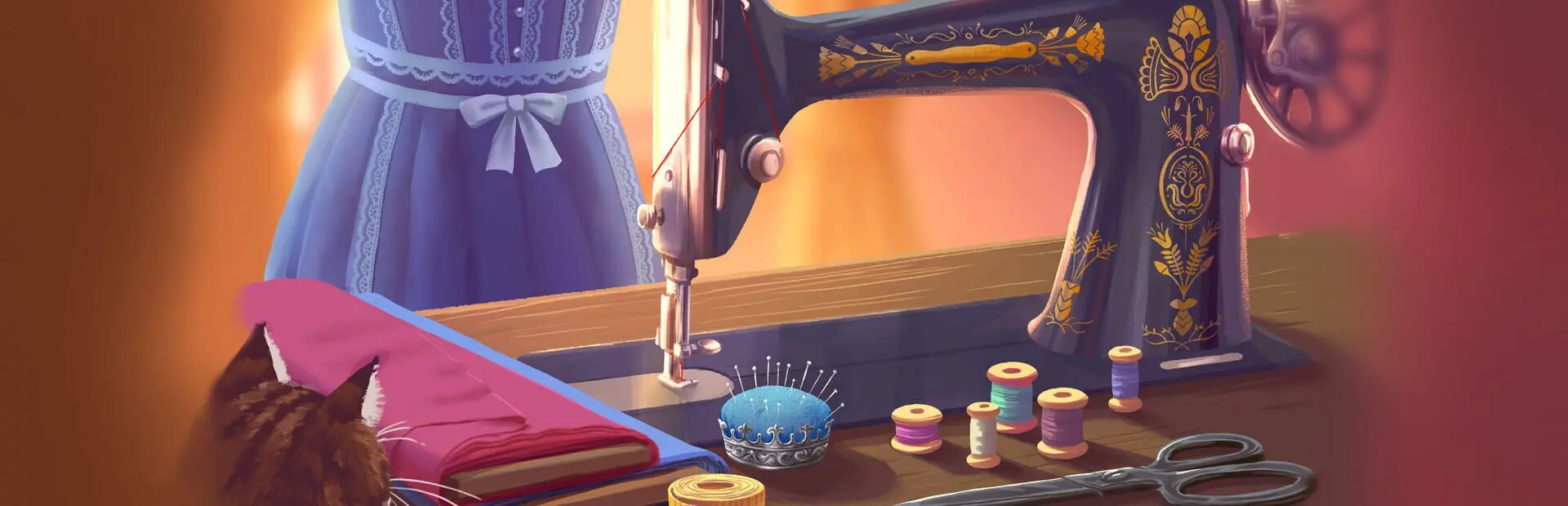
Her sewing machine is part of that return. Tilly brings a haute couture sensibility to a place that is more accustomed to suspicion, gossip, and moral eccentricity. By making striking clothes for the town's women, she changes how they look and how they are seen. The dresses are not only decoration; they become part of Tilly's method for entering the community again and taking control of the story told about her.
The official synopsis describes the film as a bittersweet comedy about love, revenge, and haute couture. That combination explains why the plot does not stay inside one simple genre. Tilly's return begins as a homecoming and a reconciliation with Molly, then develops into a campaign against people who harmed her, while an unexpected love story gives the revenge plot a more painful direction.
Is it worth watching?
Based on the available reviews, it is a strong choice for viewers who enjoy stylish, unusual films with a revenge framework and an emotional undercurrent. The critical descriptions repeatedly point to a compelling lead performance, memorable weirdness, and a mixture of humour and heartbreak. It is not presented as a straightforward drama or a restrained period story, so the best reason to watch is its combination of performance, visual personality, and tonal unpredictability.
The central performance is a major part of the film's appeal. Kate Winslet plays Tilly as a woman who is glamorous, capable, and still tied to a painful past. The official material places her return, her relationship with Molly, and her sewing at the heart of the story, while the review material describes Winslet as a captivating centre in the film's unusual storm of ideas.
There is also a clear emotional range. One source characterises the film as funny, heart-wrenching, and beautiful in the same breath. That is useful guidance for expectations: the comedy does not remove the sadness, and the beautiful clothes do not make the past disappear. Tilly's love story leads to her greatest loss and her most destructive act, so the film's lighter moments sit beside consequences that are much darker.
What works best?
Kate Winslet's Tilly Dunnage
Tilly is the film's anchor. She has spent years in Europe and returns to a town that remembers her through an old act of banishment. That gives her arrival an immediate tension: she is both an outsider coming home and someone who understands exactly how much power appearance can carry in a small community.
Winslet's performance helps hold together the story's competing moods. The material describes her as strong in the central role and calls her performance captivating. Tilly can use a dress as a social weapon, care for her mother, pursue revenge, and become vulnerable through love, while the story continues to move between comedy and tragedy.
The clothes and the transformation of the town
The haute couture element is more than a fashionable setting detail. Tilly's clothes transform the women of the town, and that transformation gives the story a visible way to show changing confidence and status. The contrast between her glamorous designs and the dusty environment is part of the film's appeal.
The official description connects Tilly's sewing directly with her revenge. She returns with her machine, dresses the women, and simultaneously reshapes the social landscape that once rejected her. That makes the fashion work feel tied to character and plot rather than added only for visual flair.
A distinctive mixture of influences
The review material emphasises how many styles the film brings together. It has the shape of a revenge tale, but it also draws on spaghetti Westerns, a Tim Burton-like aesthetic, John Waters-style warped humour, and Dickensian eccentrics. Its tonal movement can go from cartoon-like comedy to melodrama, creating a deliberately unstable rhythm.
That mixture will be a strength for viewers who like films that are difficult to reduce to one label. It also explains why the film may feel excessive rather than smooth. The story is designed around contrasts: dust and couture, jokes and grief, romance and revenge, a small town and a larger-than-life central figure.
What kind of tone should you expect?
The safest expectation is stylised bittersweet comedy with revenge and melodrama. It is not simply a light comedy about a talented seamstress, and it is not only a grim account of a past injustice. The film's identity comes from placing those elements together and allowing the mood to change sharply.
The critical description calls the result an exhausting tilt-a-whirl, which captures both the energy and the potential challenge. The narrative contains many eccentric people and strong shifts in register. Viewers looking for a calm, consistent period drama may find that approach overwhelming; viewers who enjoy heightened characters and unusual genre combinations may find it entertaining precisely because it refuses to settle down.
The emotional turns are important to the overall verdict. Tilly's return is connected to her mother, her memory of a tragic past, her wish to put wrongs right, and an unexpected romance. The romance does not simply soften the revenge story: it leads to loss and to a destructive decision, keeping the consequences visible beneath the spectacle.
How does the supporting story fit together?
Molly is central to the homecoming portion of the plot. Tilly comes back ostensibly to care for her ailing mother, and the official material describes their reconciliation as one of the film's key movements. The review material adds that Molly has been living in squalor and that Judy Davis's performance becomes especially powerful as the character regains her wits.
The town itself functions almost like a character. Dungatar is presented as a mythical, dusty community populated by morally compromised eccentrics. Tilly's old banishment, the town's memory of the past, and the effect of her new clothes all make the local community an active part of the conflict rather than a neutral backdrop.
The cast also supports the film's heightened style. The official material names Kate Winslet, Judy Davis, Liam Hemsworth, and Hugo Weaving among the acclaimed cast. Their presence complements a story built around exaggerated personalities, old resentments, social performance, and the friction between private pain and public appearance.
Final verdict
This is a good pick if you want a revenge story with a strong visual identity, a memorable lead, and a willingness to mix comic, romantic, and tragic material. The main draw is not a single plot twist or a simple genre promise; it is the collision of Tilly's haute couture, Dungatar's oddness, and the emotional cost of returning home.
The film's unusual tone is also the main qualification. Its genre influences and sharp mood changes can feel tiring, and the story's extravagance will not suit every viewer. But if that mixture sounds appealing, the available critical response supports watching it for Kate Winslet's performance, the narrative weirdness, the fashion-driven transformation of the town, and the way its comedy eventually gives way to heartbreak.
Quick review guide
| Question | Answer |
|---|---|
| Setting | 1951, the rural Australian hamlet of Dungatar |
| Main character | Myrtle “Tilly” Dunnage, played by Kate Winslet |
| Core conflict | Returning home, addressing past wrongs, and facing a tragic memory |
| Key themes | Love, revenge, haute couture, reconciliation, and loss |
| Best-known strengths | Central performance, unusual story, striking clothes, and tonal range |
| Overall feel | Bittersweet, funny, heart-wrenching, beautiful, and deliberately eccentric |